Borasu Pass Trek
Difficult

Borasu Pass Trek

Uttarakhand, India
Starting from
--
per person
0 operators available
Book with Operator
Duration8-9 Days
Max Altitude5450 m
Trek Distance78 km
Starting PointSankri

Itinerary

Day1

Sankri to Seema via Taluka

14 km
6-7 hours
2560 m

Drive to Taluka and begin trekking along the Supin River.

Pass through forests and traditional Himalayan villages.

Reach Seema campsite.

Day2

Seema to Har Ki Dun

11 km
5-6 hours
3520 m

Ascend through alpine forests and meadows.

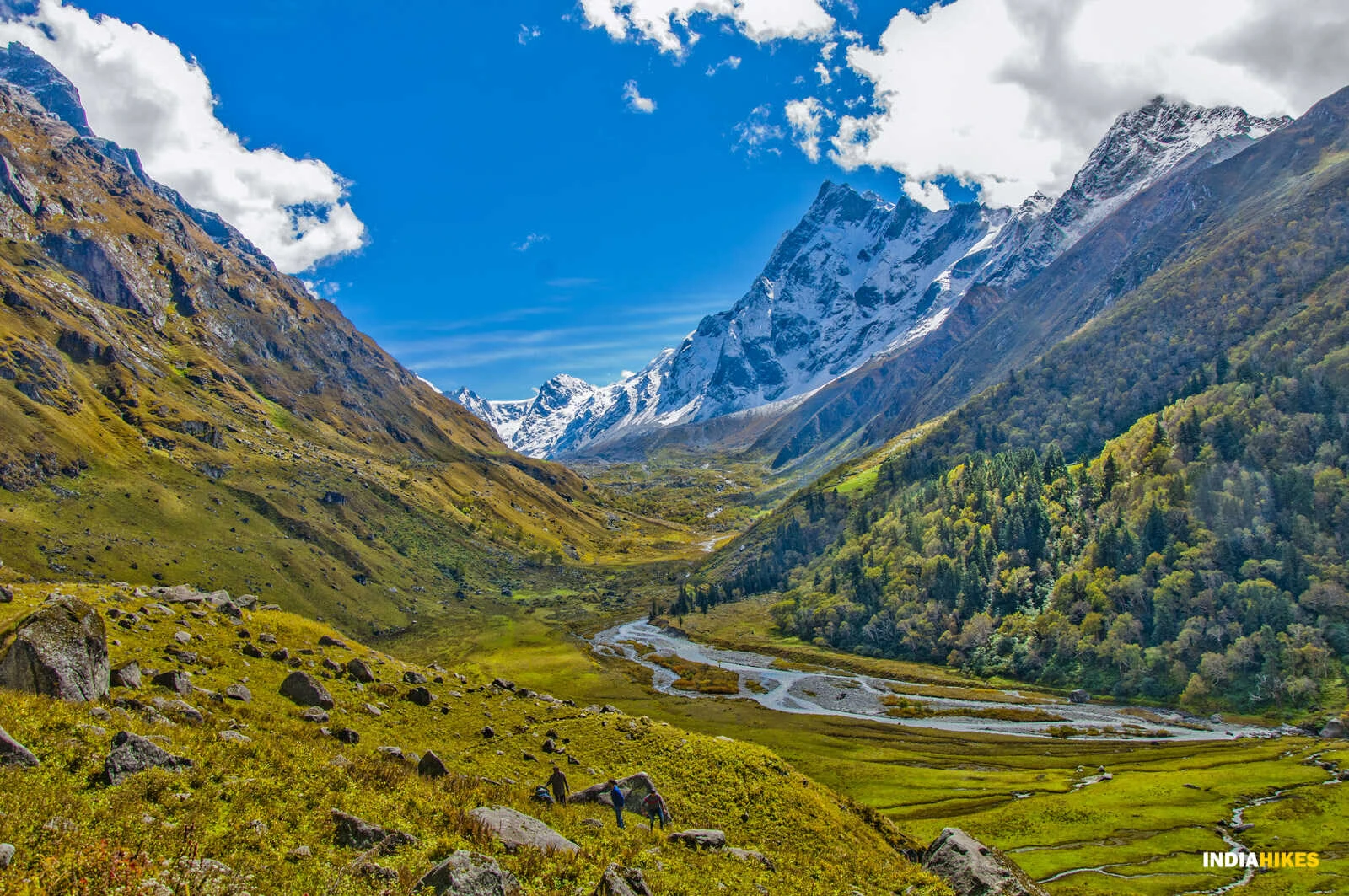
Reach the scenic Har Ki Dun Valley.

Day3

Har Ki Dun to Ratta Tho

10 km
5-6 hours
4050 m

Follow the upper valley toward remote alpine camps.

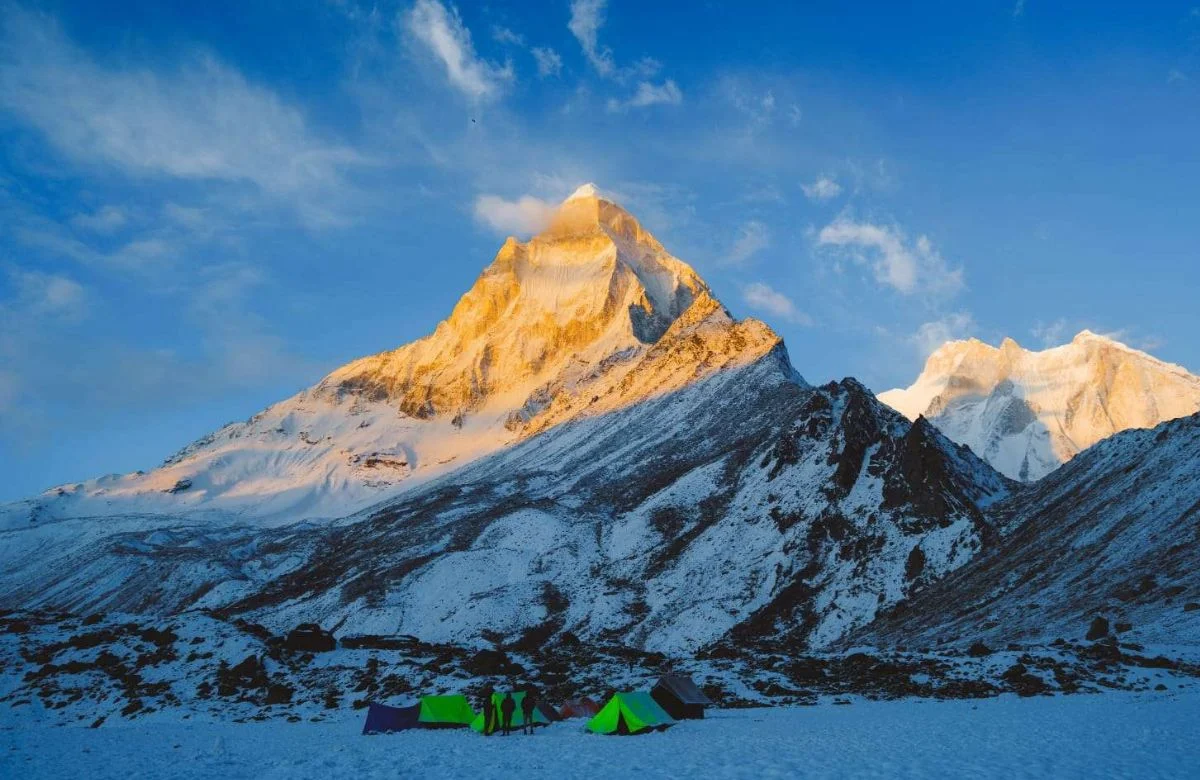
Enjoy views of Swargarohini and Black Peak.

Day4

Ratta Tho to Borasu Base Camp

9 km
5 hours
4650 m

Trek through moraine and glacial terrain.

Reach base camp below Borasu Pass.

Day5

Borasu Base Camp to Bonga via Borasu Pass

14 km
9-10 hours
5450 m

Cross the challenging Borasu Pass.

Witness panoramic Himalayan views from the pass.

Descend into Himachal Pradesh and camp at Bonga.

Day6

Bonga to Chitkul

16 km
7-8 hours
3450 m

Descend through the upper Baspa Valley.

Reach Chitkul, the last inhabited village near the Indo-Tibetan border.

Day7

Chitkul Exploration and Departure

4 km
2-3 hours
3450 m

Explore Chitkul and the Baspa Valley.

Conclude the trekking expedition.

Best Month to Visit

Best
Moderate
Avoid

Nearest airport

Jolly Grant Airport, Dehradun

Nearest railway

Dehradun Railway Station

Saturday 1 Aug
Start point16° / 25°
Rain
20°
05:34
19:12
85%
Summit-3° / 5°
Drizzle
4°
05:32
19:11
88%
Hourly temperature°C
Start
Top

Borasu Pass Trek: An Epic Himalayan Crossing Between Garhwal and Kinnaur

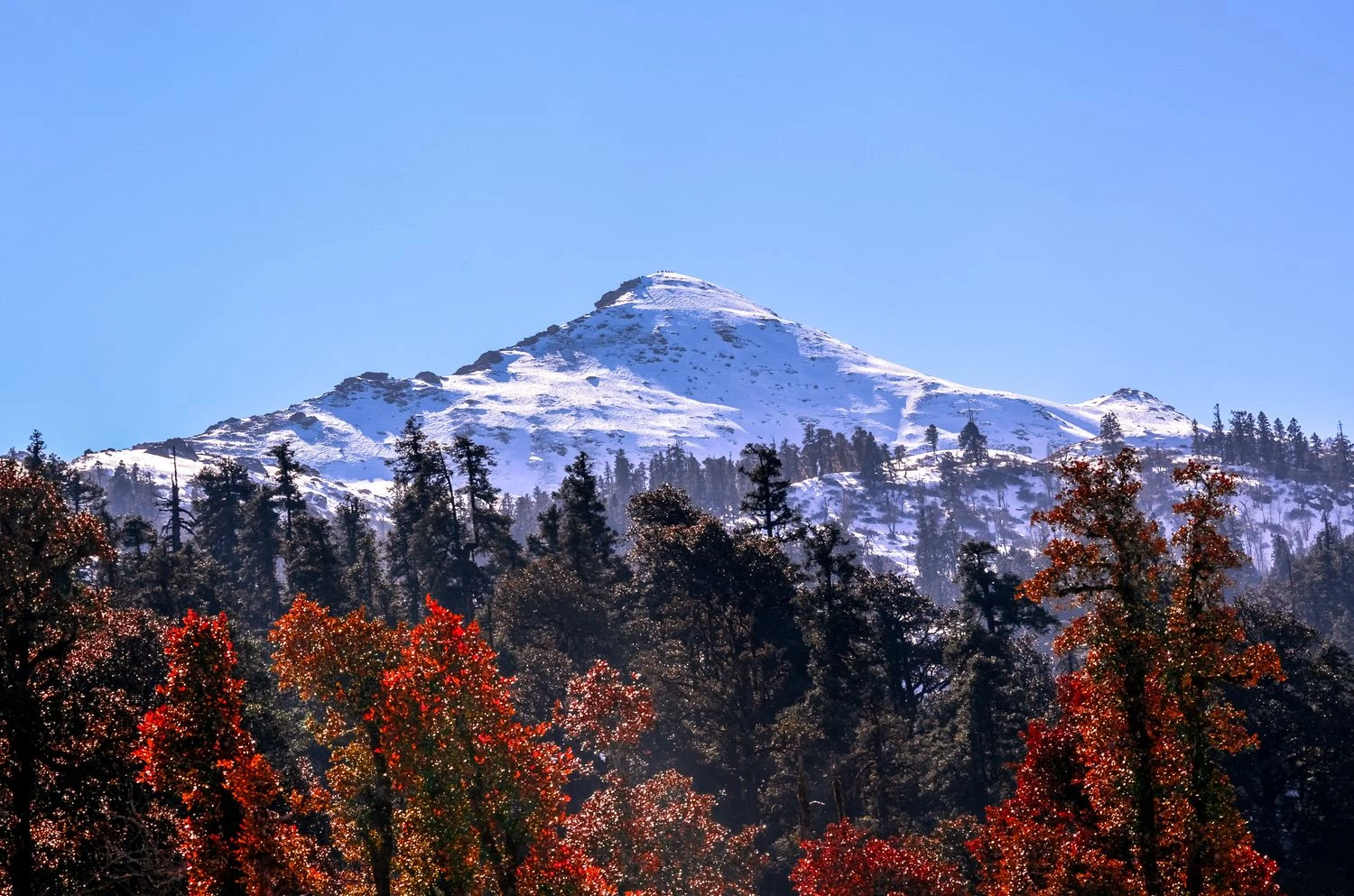
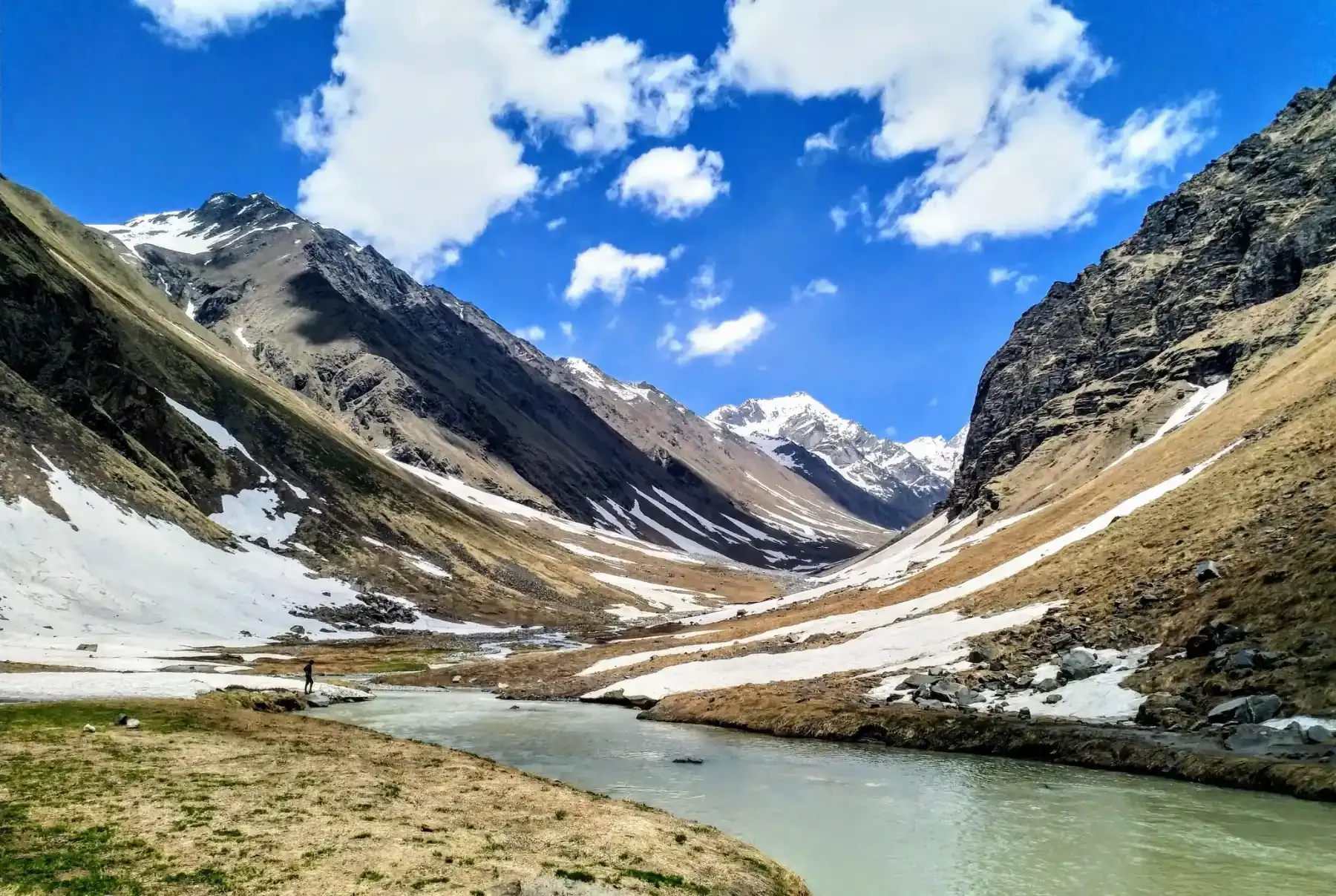
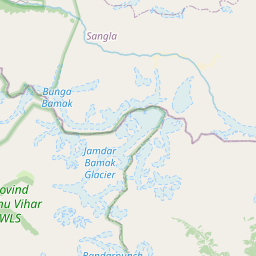
The Borasu Pass Trek is one of the most challenging and rewarding high-altitude expeditions in the Indian Himalayas. Connecting the remote Har Ki Dun Valley of Uttarakhand with the picturesque Sangla Valley of Himachal Pradesh, this historic route follows an ancient trade corridor once used by traders traveling between the Garhwal region and Tibet. Rising to an elevation of approximately 5,450 meters, Borasu Pass offers trekkers an extraordinary combination of alpine meadows, dense forests, glacier crossings, high-altitude camps, and dramatic mountain scenery. Unlike more commercial trekking routes, Borasu Pass remains a wilderness expedition that rewards experienced trekkers with solitude, adventure, and some of the finest Himalayan landscapes in northern India.

Through the Legendary Har Ki Dun Valley

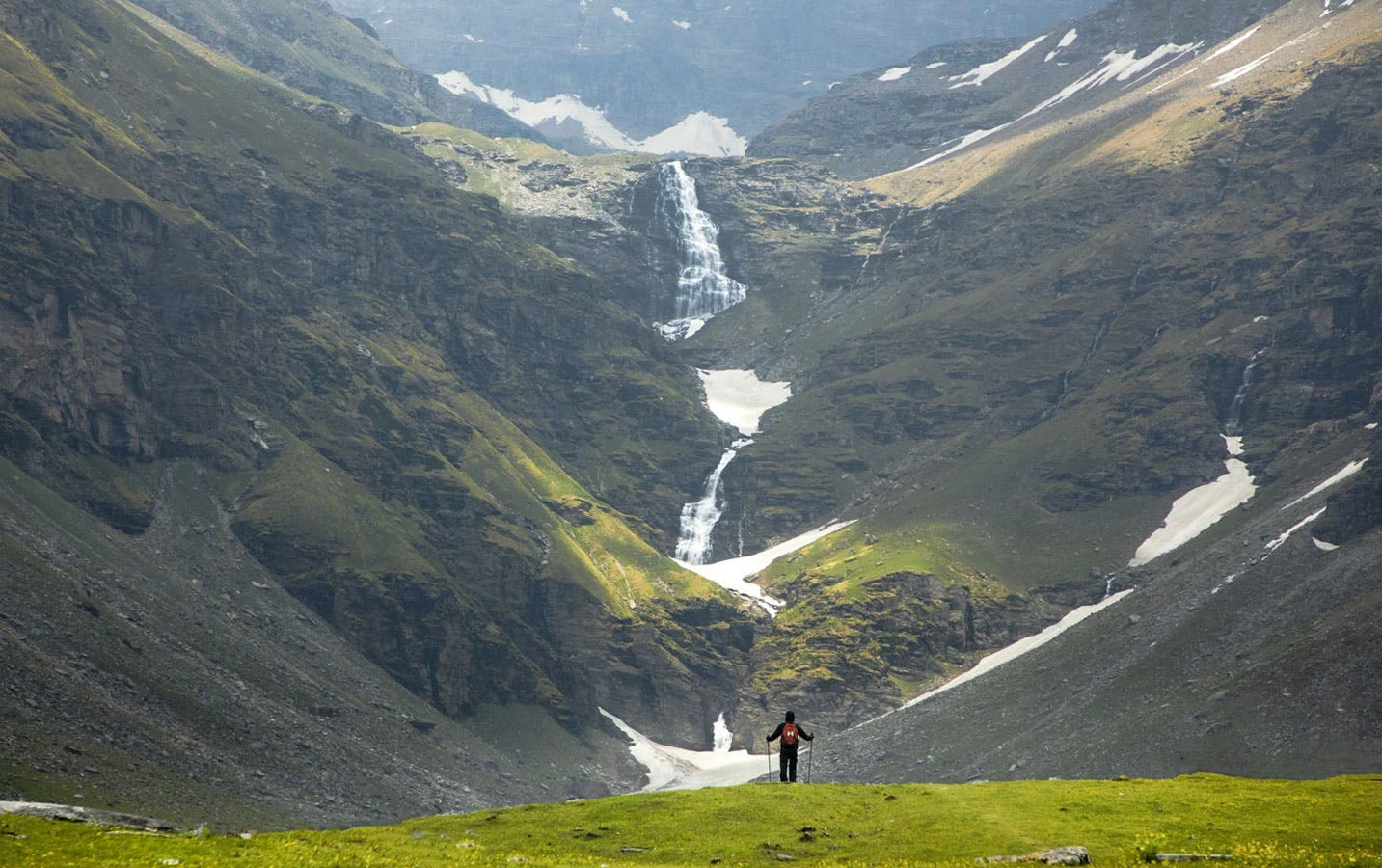
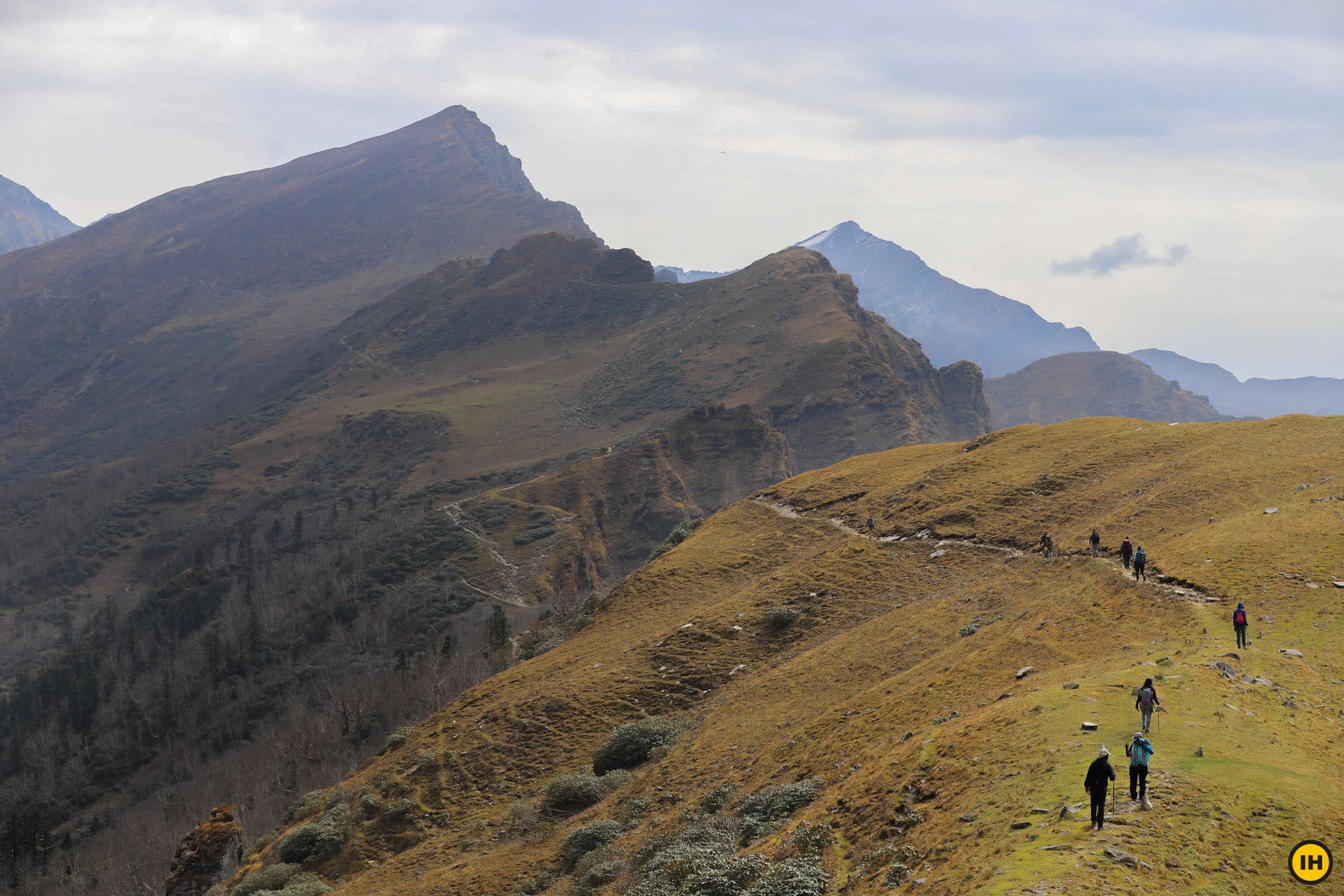
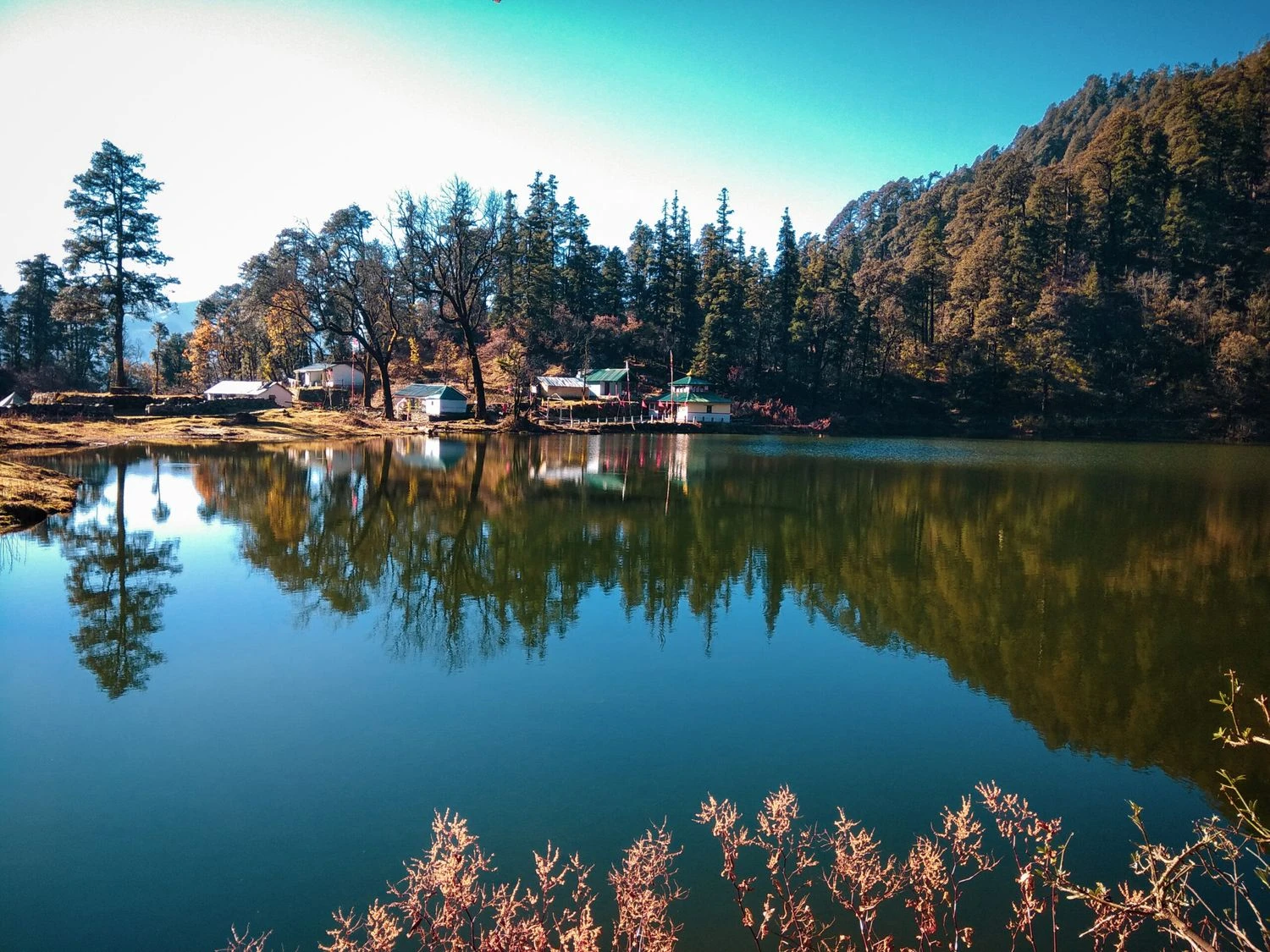
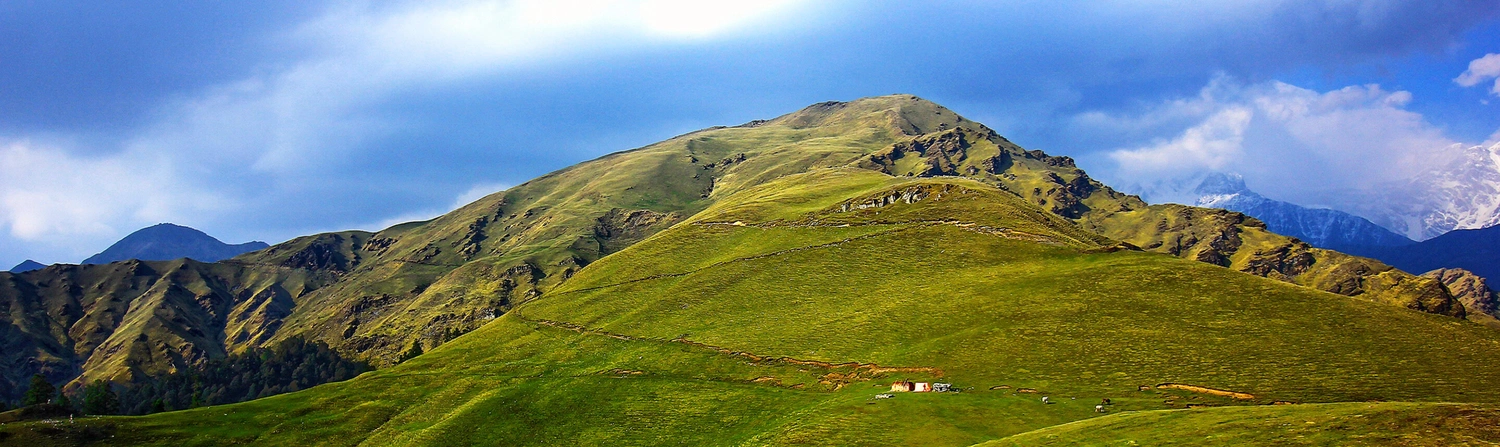
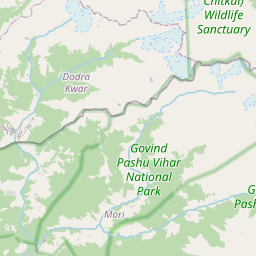
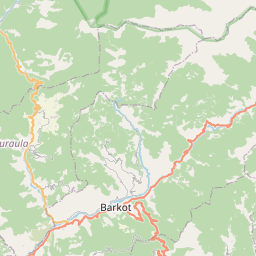
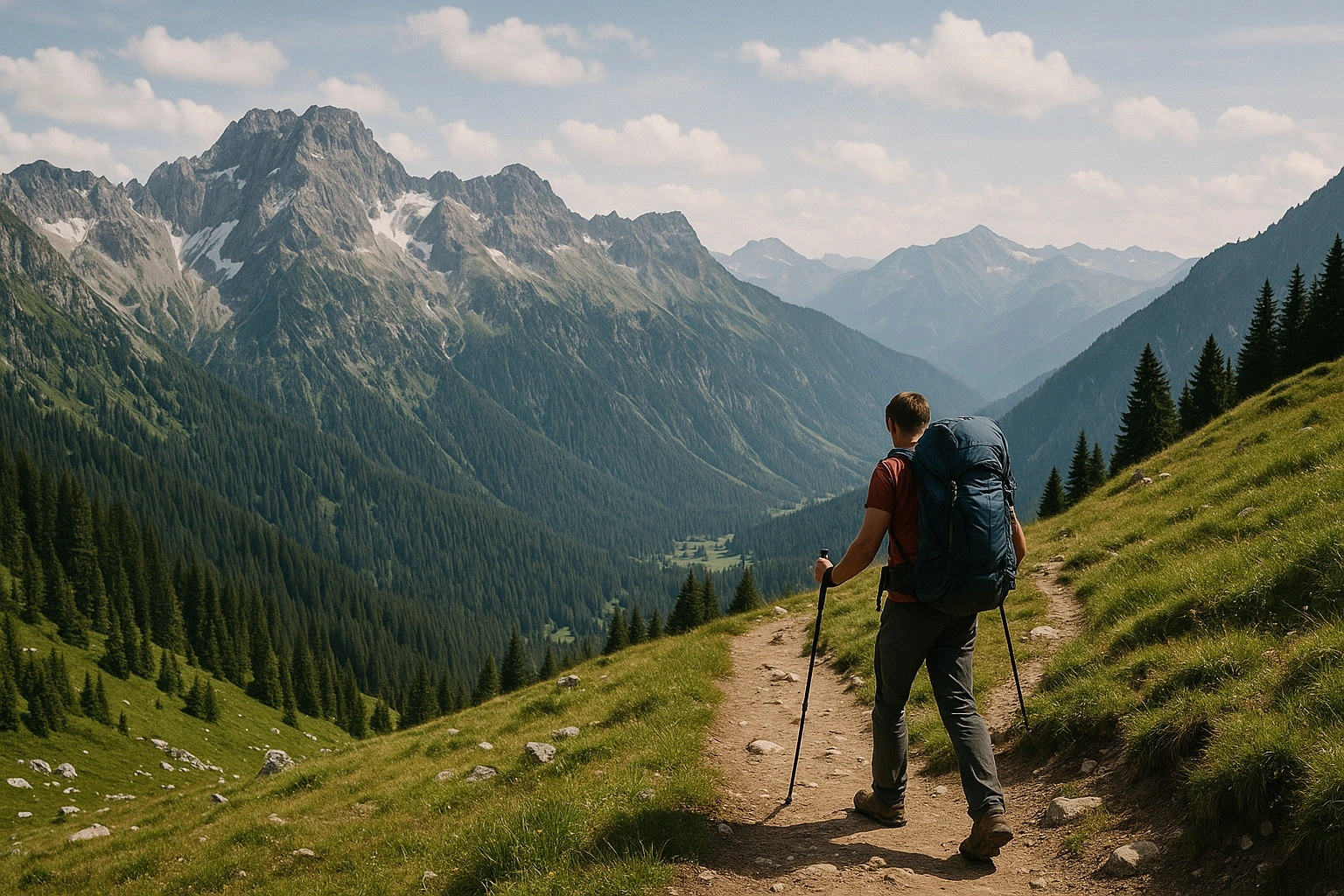
The journey begins from Sankri, one of Uttarakhand's most popular trekking gateways. The trail initially follows the beautiful Har Ki Dun Valley, passing through traditional villages such as Taluka, Osla, and Seema. Ancient wooden architecture, terraced fields, and centuries-old cultural traditions offer a glimpse into life in the upper Garhwal Himalayas. Dense forests of pine, deodar, walnut, and rhododendron gradually give way to expansive alpine meadows as trekkers move deeper into the valley. Throughout the route, magnificent views of Swargarohini and Black Peak dominate the skyline.

The Challenge of Borasu Pass

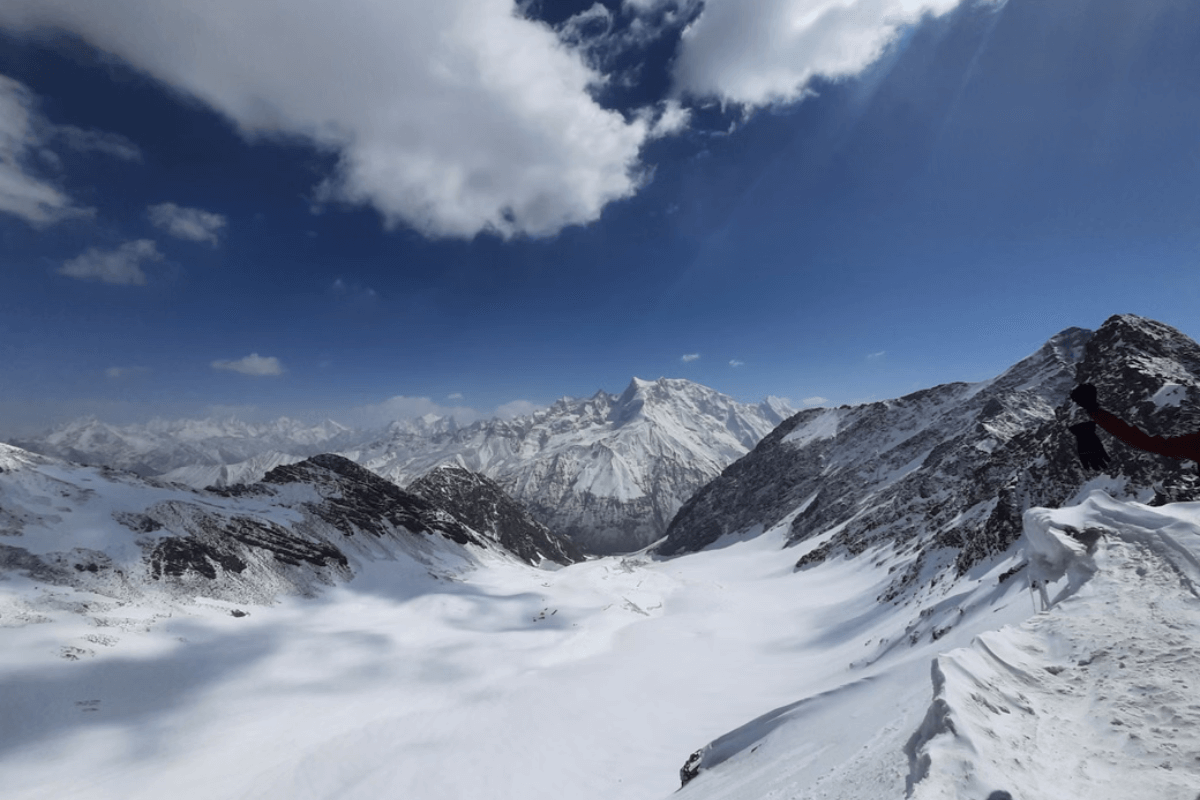
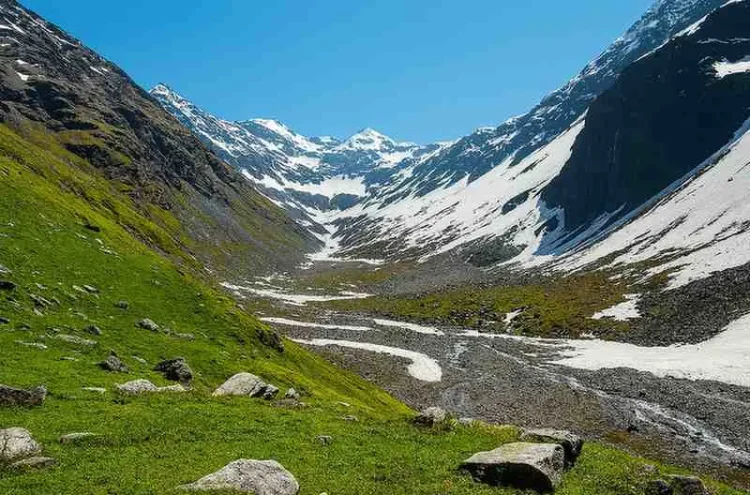
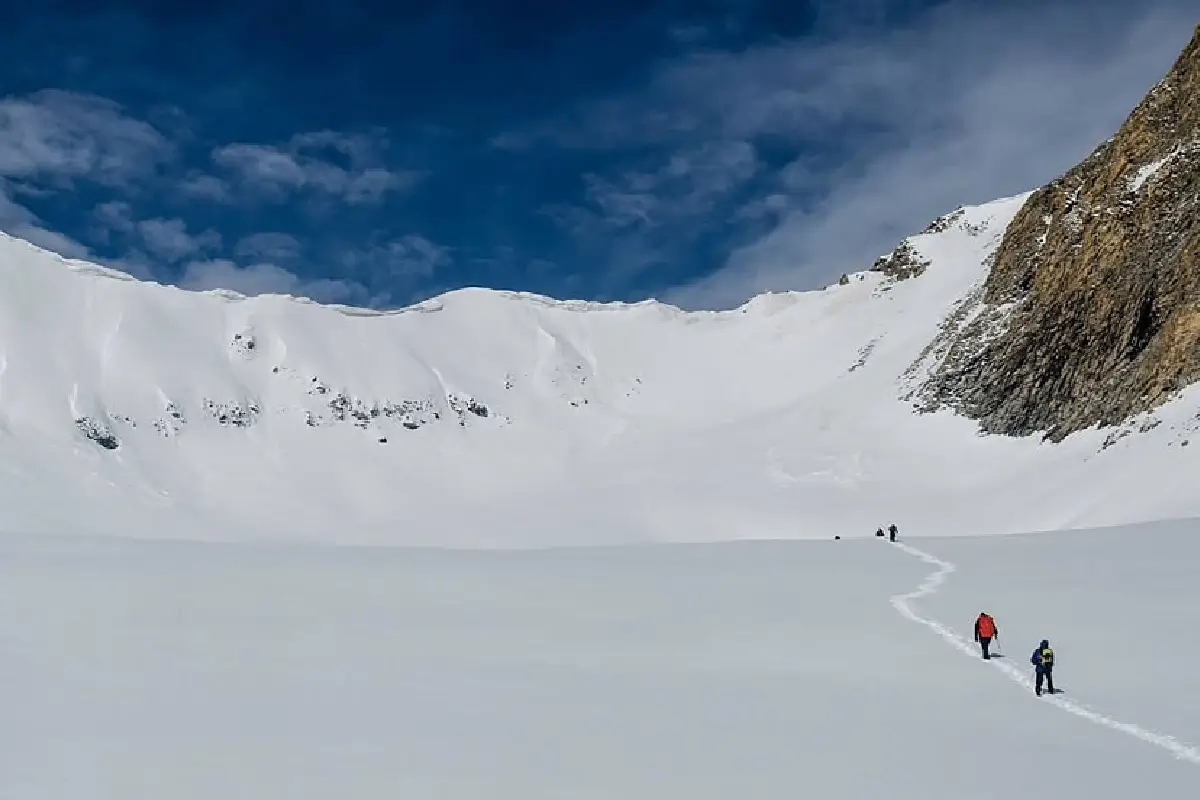
Beyond Har Ki Dun, the terrain becomes increasingly rugged and remote. Trekkers encounter moraine fields, glacial streams, boulder sections, and snow-covered slopes while approaching the pass. The crossing of Borasu Pass itself represents the most demanding section of the expedition. At more than 5,400 meters, the thin air and steep ascent require excellent physical fitness and proper acclimatization. Depending on seasonal conditions, snowfields may cover parts of the route, adding to the adventure. The summit of the pass offers breathtaking views of multiple Himalayan ranges stretching across Uttarakhand and Himachal Pradesh.

Entering the Sangla Valley and Kinnaur

After crossing Borasu Pass, the landscape changes dramatically as the trail descends into the Baspa Valley of Kinnaur. Trekkers pass through remote alpine camps, high-altitude grasslands, and glacial valleys before reaching Chitkul, the last inhabited village near the Indo-Tibetan border. The contrast between the lush forests of Garhwal and the rugged mountain terrain of Kinnaur makes this trek particularly memorable. The cultural transition is equally fascinating, with distinct architectural styles, traditions, and lifestyles visible on either side of the pass.

Why Borasu Pass Is One of India's Greatest Expedition Treks

Borasu Pass is not simply a trek; it is a full Himalayan expedition. The route combines long-distance trekking, high-altitude challenges, glacier travel, and cultural exploration into a single adventure. Its remoteness ensures that trekkers experience genuine wilderness while traversing landscapes rarely seen by casual visitors. The opportunity to cross from one Himalayan state into another through an ancient mountain pass adds a unique sense of accomplishment. For experienced trekkers seeking a demanding and unforgettable expedition in the Indian Himalayas, Borasu Pass remains one of the most prestigious trekking objectives available.
Frequently asked questions

Everything you need to know about this trek, including route conditions, transport, preparation, weather, permits, and trekking difficulty.

It is a difficult expedition-level trek involving high altitude, long trekking days, and challenging pass crossings.

Borasu Pass stands at approximately 5,450 meters above sea level.

No. Previous high-altitude trekking experience is strongly recommended.

It connects Uttarakhand's Har Ki Dun Valley with Himachal Pradesh's Baspa Valley through an ancient trade route.

Yes. Proper acclimatization is essential because the trek exceeds 5,400 meters.

Swargarohini, Black Peak, Bandarpoonch, and several Kinnaur Himalayan peaks are visible.

Depending on seasonal conditions, trekkers may encounter snowfields and glacial sections near the pass.

June through September generally provide the safest conditions for crossing the pass.

The trek concludes at Chitkul in the Baspa Valley of Himachal Pradesh.

The combination of remote terrain, high altitude, and multi-day wilderness travel makes it a true Himalayan expedition.

Mountain trail

Browse all treks in one place

Discover trekking routes across India with filters for duration, weather, difficulty, altitude, and season.

20+
Regions
100+
Treks
All Seasons
Year Round
Trek smarter

Compare weather, route conditions, transport access, and difficulty.

More Treks Nearby This

Explore all treks
Har Ki Dun Trek
Moderate
13°C
Uttarakhand

Har Ki Dun Trek

Starting ₹8,500
7 days
44 km
10 km away
Lamkhaga Pass Trek
Difficult
5°C
Uttarakhand

Lamkhaga Pass Trek

Starting ₹28,500
9–10 days
78 km
18 km away
Bali Pass Trek
Difficult
5°C
Uttarakhand

Bali Pass Trek

8-9 Days
72 km
22 km away
Rupin Pass Trek
Moderate to Difficult
7°C
Uttarakhand

Rupin Pass Trek

Starting ₹14,199
7–8 days
52 km
33 km away
Phulara Ridge Trek
Easy to Moderate
11°C
Uttarakhand

Phulara Ridge Trek

Starting ₹7,300
5–6 days
28 km
34 km away
Buran Ghati Trek
Moderate to Difficult
9°C
Himachal Pradesh

Buran Ghati Trek

Starting ₹13,900
8 Days
61 km
35 km away
Kedarkantha Trek
Easy to Moderate
13°C
Uttarakhand

Kedarkantha Trek

Starting ₹3,799
5 days
20 km
36 km away
Dodital–Darwa Pass Trek
Moderate
14°C
Uttarakhand

Dodital–Darwa Pass Trek

Starting ₹9,000
5–6 days
45 km
37 km away
Dayara Bugyal Trek
Easy to Moderate
14°C
Uttarakhand

Dayara Bugyal Trek

Starting ₹4,700
4–5 days
25 km
45 km away
Gangotri Glacier Trek
Moderate to Difficult
20°C
Uttarakhand

Gangotri Glacier Trek

7-8 Days
53 km
52 km away
Trek Safety & Etiquette

Essential trekking guidelines

Responsible trekking protects mountains, wildlife, local culture, and your own safety. Follow these guidelines before heading into the trails.

Obtain Required Permits

Many trekking destinations require official permits from local authorities. Apply early to avoid fines or denied entry.

Respect Nature and Wildlife

Follow Leave No Trace. Avoid littering, loud noise, and disturbing wildlife or fragile vegetation.

Travel with a Guide

Some high-altitude and border routes legally require certified guides for navigation and safety.

Camp at Approved Sites

Unauthorized camping and bonfires can damage ecosystems and may violate local regulations.

Respect Local Culture

Dress respectfully, ask before photographing locals, and honor regional customs and sacred places.

Follow Weather Advisories

If authorities halt trekking due to weather or hazards, comply immediately for your safety.

Stay Within Allowed Zones

Do not cross restricted or protected boundaries without official permissions.

Follow Group Instructions

Stay with your group, maintain pacing discipline, and avoid trekking alone on unknown trails.